
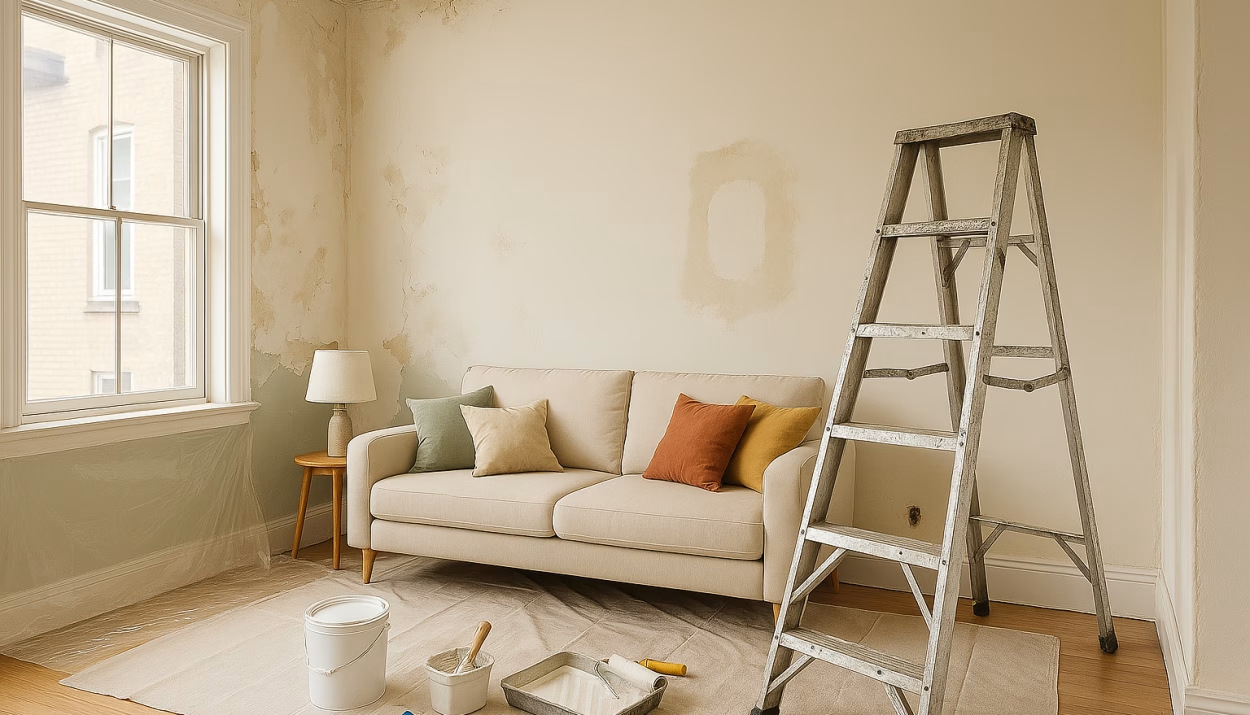
Older Brampton homes often have charm and character—but when it comes time to paint, prepping the walls is critical. Without the right preparation, even the best paint job won’t last long or look smooth.
In this post, we explain how to prep walls before painting older homes in Brampton so you can achieve professional, long-lasting results.
1. Inspect the Wall Condition
Start by inspecting your walls closely. Older homes may have:
-
Cracks
-
Peeling paint
-
Water stains
-
Nail holes or dents
-
Uneven plaster or drywall
Make a note of all problem areas. These will need special attention before painting.
2. Remove Old Paint or Wallpaper
In many older Brampton homes, outdated wallpaper or multiple layers of old paint are common.
-
Use a putty knife and wallpaper remover to safely strip wallpaper.
-
For peeling paint, scrape and sand the loose areas until smooth.
-
Consider a chemical paint stripper for stubborn layers (wear protective gear).
Tip: Avoid painting over wallpaper unless it’s fully bonded and sealed.
3. Patch Cracks, Holes, and Dents
Use high-quality spackling paste or joint compound to repair:
-
Nail holes
-
Minor cracks
-
Gouges or scratches
For larger cracks in plaster, apply mesh tape before joint compound. Allow everything to dry completely and then sand smooth.
4. Clean the Walls
Walls collect dust, grease, and even mildew over time—especially in kitchens and bathrooms.
-
Use a mix of mild soap and warm water to clean the surface.
-
For grease or smoke stains, use TSP (trisodium phosphate) cleaner.
-
Allow walls to fully dry before moving to the next step.
5. Prime the Surface
Priming is especially important in older homes to:
-
Seal stains (like smoke or water damage)
-
Improve paint adhesion
-
Even out wall texture
Use a stain-blocking primer like Zinsser or Kilz for best results. Always follow the manufacturer’s drying times.
6. Caulk Gaps and Trim
Old wood trim often separates from walls over time. Use paintable caulk to:
-
Fill gaps between trim and wall
-
Seal baseboards or crown molding
-
Prevent paint from cracking around edges
Smooth caulk with your finger or a tool before it dries.
7. Sand One Final Time
Once all repairs and primer are done, lightly sand the walls with 220-grit sandpaper to remove any dust or texture bumps. This leaves a perfectly smooth surface for paint.
Ready to Paint?
Prepping your walls properly is more than half the battle. At Velvet Touch Painting, we handle everything from wall repair to the final coat, so you get lasting results with no stress.